There’s a difference between saying you use encryption and architecting a system around it. Most software companies treat encryption like a compliance requirement. It’s something you add late in development, document in a security page, and summarize with a lock icon in the footer. It satisfies audits. It reassures buyers. But it rarely defines the architecture.
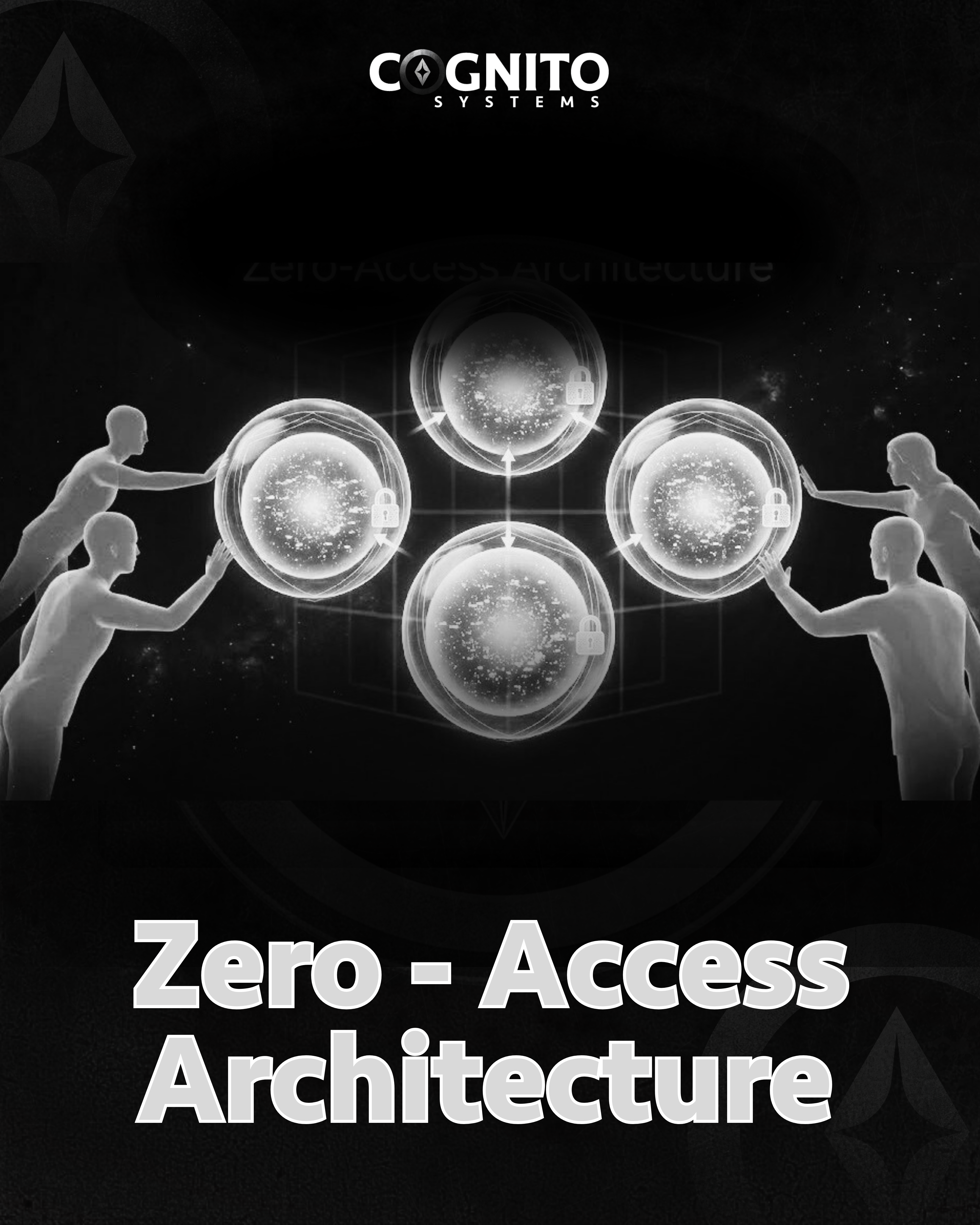
At Cognito Systems, encryption is not a feature layer. It is the structural layer. Martha was designed on a zero-access philosophy: data should be unreadable to unauthorized parties, external attackers, and internal personnel alike. That includes our own engineers.
Zero-Access Architecture
In traditional SaaS systems, providers often retain the technical capability to access customer data. While this may be controlled by policy, the architectural possibility remains. We removed that possibility.
Customer data is encrypted in a way that makes it inaccessible without the appropriate keys. If infrastructure were compromised, attackers would encounter encrypted payloads without usable context. The design assumption is simple: breaches are possible; readable data should not be.
Automated Key Rotation
Encryption strength is not just about algorithms; it is about lifecycle management. Keys are rotated automatically and securely. Old keys are retired. New keys are generated. This process occurs without operational friction for clients, but it significantly reduces long-term exposure risk.
Static keys create silent vulnerability. Automated rotation reduces that surface continuously.
Customer Key Ownership
In many “secure” platforms, the provider maintains master access. That means the company operating the software ultimately controls decryption capabilities. Martha’s model shifts that control. Enterprises retain authority over access boundaries, reducing insider risk and reinforcing true data sovereignty.
AI Without Data Exploitation
AI systems introduce a new layer of concern. Businesses are rightfully cautious about whether their internal conversations or proprietary knowledge become training material.
Martha does not use customer data to train foundation models. Conversations remain isolated. Enterprise agreements govern model interactions, and user content is not repurposed for generalized training.
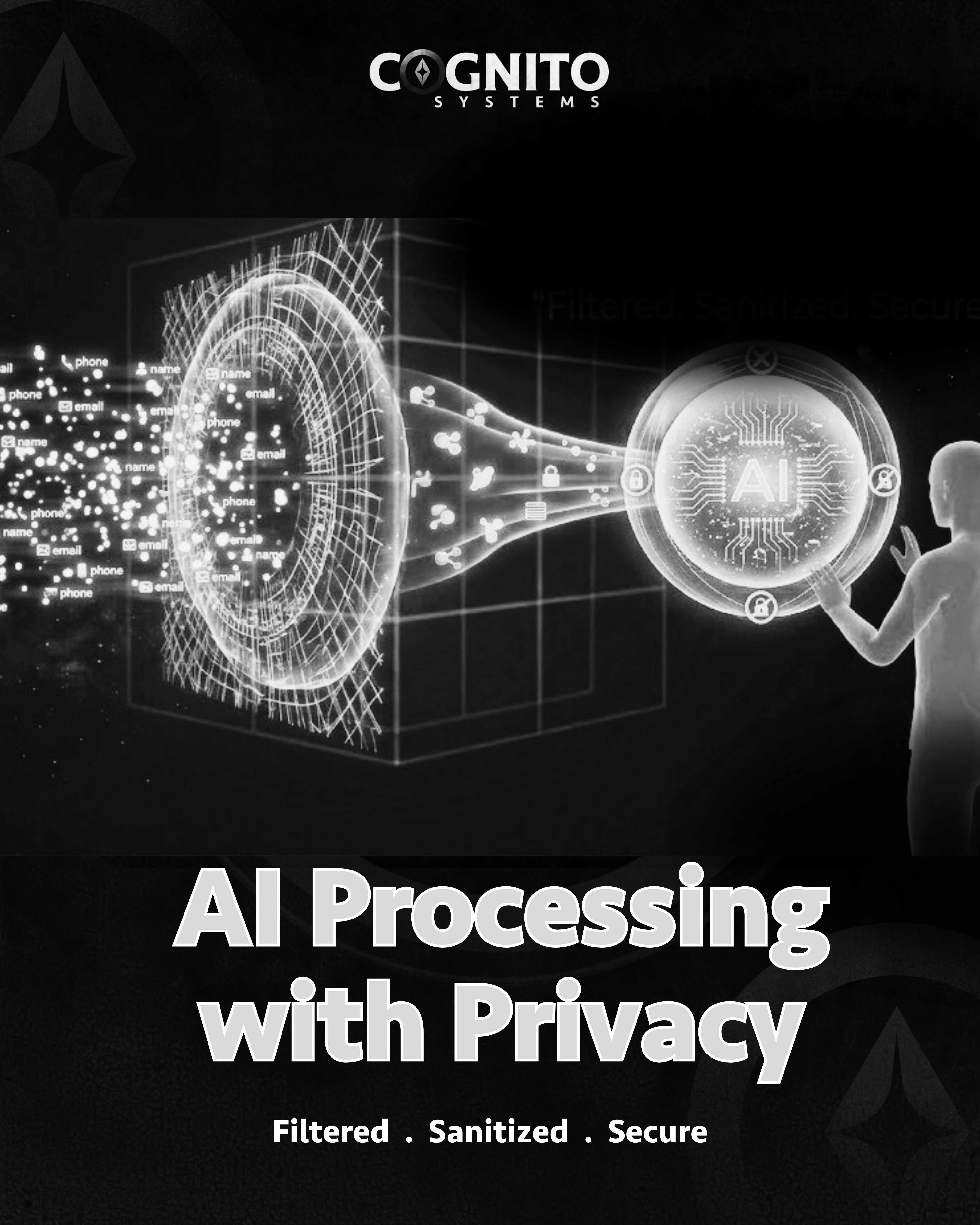
Additionally, personally identifiable information is sanitized prior to AI processing. Names, emails, phone numbers, and similar metadata are stripped before inference where applicable. The system minimizes exposure before the model layer is engaged.
Security Before Intelligence
Many AI products are built for capability first and secured later. Controls are layered on top of an already deployed architecture. This often results in complexity, exceptions, and hidden risk.
Cognito Systems reversed that order. Encryption, access isolation, and key governance were defined before AI logic was implemented. Intelligence was layered onto a secure core ,not the other way around.
The Standard We Operate By
When enterprises trust a system with strategic conversations, operational data, and customer interactions, acceptable risk approaches zero. “Mostly secure” is insufficient. Security must be structural, not promotional.
Encryption is not branding. It is not a language for sales decks.
It is the foundation on which everything else stands. At Cognito Systems, that foundation is non-negotiable.